Best Car Paint Protection Film Services Near Me
Best Car Paint Protection Film Services Near Me

Prioritise recent, real-world photos and multi-year owner reports so you can judge how finishes hold up under Dubai heat and daily driving. Look for installers that list valid warranties and clear certification records rather than relying on staged shots. When possible, inspect finished cars in person to confirm edge work and adhesion.
Key takeaways
Start local: use Google Maps, manufacturer locators and owner forums, and prioritise recent, climaterelevant photos.
Verify credentials: confirm installer certifications (XPEL, 3M, STEK), request directory proof and inspect completed cars rather than staged galleries
Match film to use: choose self-healing and clarity for city heat, or hardness and chemical resistance for heavy wear and off-road use.
Compare quotes: check what’s included—paint correction, decontamination and warranty terms—and compare total coverage rather than headline price.
Inspect and prepare: arrange a free inspection or test-spot, secure written warranty details, and follow a pre- and post-install care checklist to protect your investment.
1. Where to start: fast, reliable ways to find PPF services near you
If you search "where can i find the best car paint protection film service near me", begin with local results and confirm them through trusted channels. Google Maps surfaces nearby shops, but cross-check each candidate against manufacturer installer locators from XPEL, 3M and STEK and look for recent owner feedback in specialist forums. Filtering local results by official brand lists and owner reports narrows the field to installers who support warranties and follow manufacturer fitment standards. Use manufacturer locators to confirm verified installers and understand warranty eligibility. If a shop claims certification but does not appear in the brand directory, call the manufacturer or request a current certificate and installer ID from the shop. Confirming the ID before booking prevents unnecessary complications later.
1. Find the shop on the brand's online locator.
2. Ask the shop for their installer ID or certification email
3.Confirm the ID with the manufacturer before booking the job. Owner groups, car meets and community threads provide a valuable second opinion.
Whenever possible, inspect a completed install in person and look for clean edge work, minimal seams and no lifting or bubbling. Ask owners about long-term wear and whether warranty repairs were honoured so you can judge real-world durability. Use these checks to narrow your list to a few trusted shops, then request written quotes and service timelines before deciding. The next section covers how to verify credentials, facility standards and warranty scope so you avoid surprises after booking.
2. How to verify credentials, facility standards and the warranty you'll actually get :
Start by confirming who trained the technicians and what formal coursework they completed. Look for manufacturer training from XPEL, 3M, STEK or UPPF and documented hands-on experience because certified backgrounds mean installers are more likely to follow proper prep and trimming protocols. An XPEL certified installer or similar credential reduces the risk of poor edge work and premature failure. Inspect the shop’s facility and tooling before you book. A climate-controlled bay, plotter/pattern software and consistent heat management are essential for clean seams and paint-safe heat application, so ask about squeegees, cutting systems and adhesive cleaners. Those practical details reveal whether the shop treats PPF as a craft or a quick add-on. Ask the following questions on the phone and confirm answers in writing so there are no surprises after install. Keep copies of responses attached to your quote for reference.
What film brands do you use and can you show manufacturer certifications?
Are you a certified installer for those brands and how long has your team trained?
Is paint correction included or quoted separately before install?
What is the exact warranty and how do you handle a warranty claim?
Do you provide a documented post-install inspection and follow-up?
Do you use plotter patterns or hand-cut pieces for my make and model?
Can I see full-vehicle gallery photos for my car and similar jobs?
3. How to choose film: brands, feature trade-offs and warranty fine print
Different brands focus on distinct strengths, so match the film to your driving patterns and Dubai climate. XPEL and STEK are known for self-healing and long-term clarity, 3M emphasises hardness and chemical resistance, and SunTek balances cost with reliable optical quality. Choose a shop that can explain why they prefer a particular brand and show recent installs as proof. For background on manufacturer training paths, consult official resources such as XPEL training and certifications or the 3M installer training pages to understand what formal coursework looks like. Prioritise real-world features that reduce long-term damage and maintenance. Key attributes to insist on include a durable self-healing topcoat, high optical clarity, a hydrophobic finish and appropriate thickness on impact zones
Self-healing topcoat for light scratches and swirl recovery.
High optical clarity for dark or metallic paints.
Hydrophobic finish to cut cleaning time.
Appropriate thickness on impact zones for chip resistance.
Thicker film improves impact protection but can affect edge visibility, so ask to see finished edges on similar cars before you commit. Edge sealing can reduce visibility issues, and experienced installers will show finished examples. Make sure you understand how the chosen film will look on your paint colour and panel lines. Warranties often look good on paper but vary in scope, so read the fine print and get answers in writing. Most warranties cover yellowing, bubbling and delamination for a defined period while excluding damage from collisions, improper aftercare and high-speed stone chips. Ask whether coverage is transferable and whether the installer or the manufacturer handles repairs. PPF and ceramic or graphene coatings work together rather than replace each other. A common approach is PPF on high-impact panels with a ceramic top layer for hydrophobic performance and easier cleaning. Confirm that the installer warranties both layers and verifies compatibility before you book
4. Pricing and coverage: how shops quote and how to compare offers
Understand the price bands and what drives them before you shop. Typical market averages run around $900–$1,500 for partial-front, $1,500–$2,500 for full-front and $5,000–$8,000 for full-vehicle installs, though vehicle size and regional differences shift those numbers. Factors that raise a quote include premium film grade, the amount of paint correction required and whether the shop offers transferable warranties. For a recent 2025 price overview to use when benchmarking quotes, see this 2025 PPF price guide. Shops sometimes advertise a low headline price while hiding prep work, so read each quote carefully. Common add-ons include paint correction, edge sealing, headlight film and badge removal. Some shops also offer ceramic topcoats over PPF for extra gloss and easier cleaning. Use this checklist to standardise three competing quotes and ensure apples-to-apples comparisons. Ask shops to attach warranty documents and mark exact coverage areas on the quote.
Film brand and model (attach warranty document link)
Exact coverage area by panel or percentage Prep scope:
decontamination and paint correction level
Edge sealing, badge removal, headlight film and post-install inspection
Warranty length, specific coverage and transferability
Lead time, shop environment and removal cost
When comparing offers, focus on like-for-like scope rather than price alone. The cheapest quote often omits critical prep or warranty service, which raises total cost over time. Choose the quote that delivers the coverage and documentation you need.
5. Inspecting finished work and spotting red flags before you commit
Know what a quality install looks like before you accept a job. Good PPF shows clean edges, minimal visible seams and a uniform finish with no bubbles or adhesive bleed. When reviewing photos, request wide-angle shots, oblique sunlit angles and close-ups of edges so you can evaluate how the film sits across contours and how reflections behave. Inspect the car under bright sunlight and in diffuse shade to reveal different defects. Hold your phone camera at shallow angles to expose ripples and microbubbles, then take straight-on close-ups of seams and trim intersections. Check vulnerable spots such as mirrors, bumper junctions and the leading edge of the hood before signing off. Know common defects and their timelines so you can distinguish normal curing from failure. Lifting, glue creep and trapped bubbles are usually visible immediately while yellowing or adhesive breakdown appears over months to years. Expect most install issues to show within a 30–90 day window; photograph concerns, log dates and follow the shop’s documented repair process promptly. For a practical breakdown of the typical failure modes and how experienced shops prevent them, see this guide on common PPF installation failures and expert prevention methods. Vetting warranty responsiveness is part of the visit. Ask for a recent warranty repair example, a typical timeline from claim to completion and a written service-level expectation. Shops that delay repairs or offer only on-paper coverage are a red flag.
6. Booking, prep, aftercare and a simple decision framework to choose the right shop
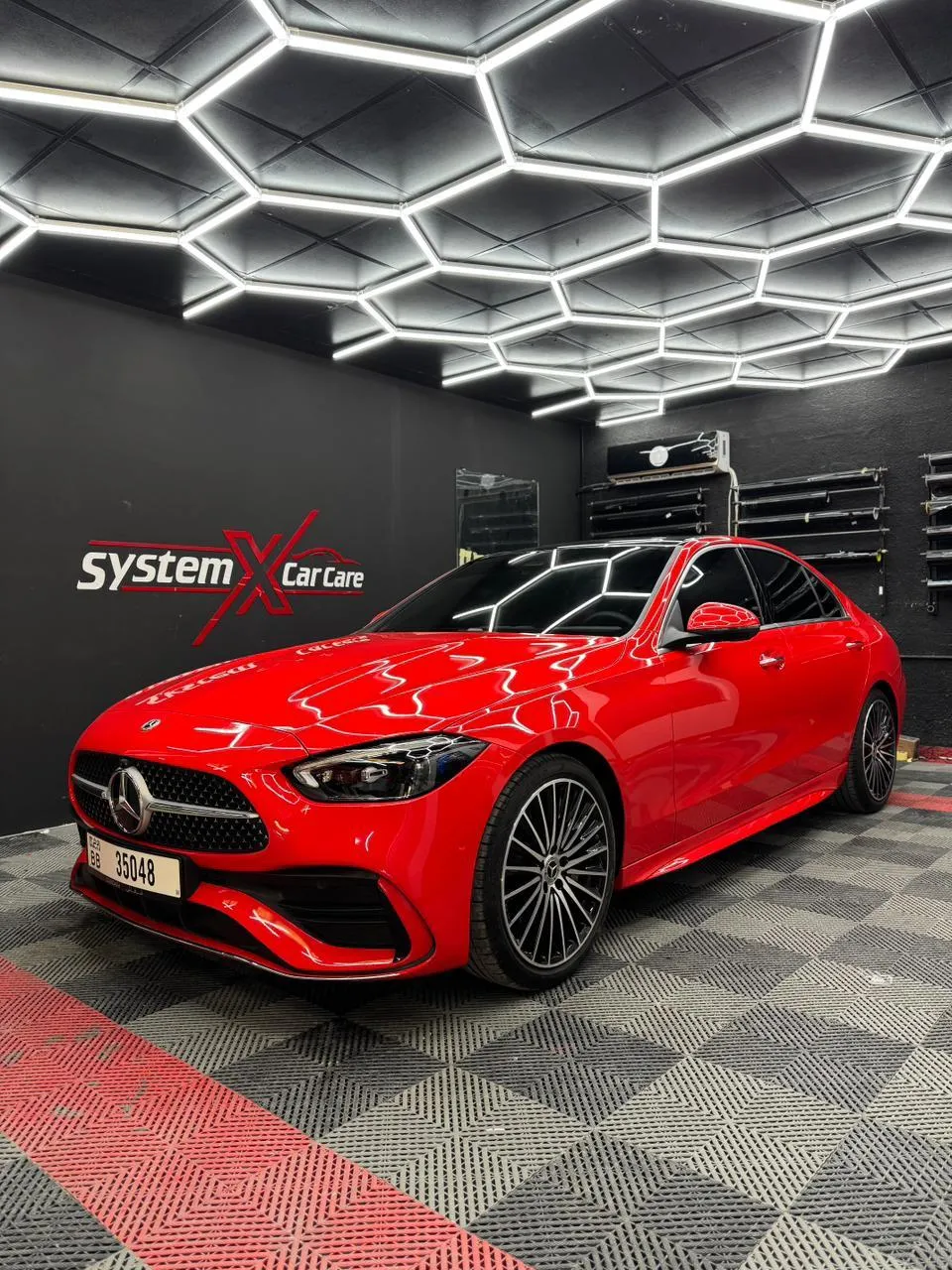
Start with a clear pre-install checklist so nothing surprises you on invoice day. Proper paint correction and decontamination are essential; if your quote skips those steps, expect costs to rise when the shop corrects paint defects later. Allow roughly 4–12 hours of paint correction for an average sedan plus an extra half to full day for prep and panel marking before full-vehicle protection. Understand install-day sequencing and how the film cures. Typical turnarounds run from one day for partial panels to three to five days for full-vehicle coverage depending on complexity and curing time. Avoid automatic brush washes for the first 7–14 days and follow the shop’s wash recommendations. Aftercare extends film life: wash with pH-neutral soap, avoid abrasive brushes and harsh polishes and consider a ceramic top-coat for added hydrophobic performance and UV resistance. If you need to file a warranty claim, collect high-resolution photos, dates and your service history, notify the shop promptly and escalate to the film manufacturer if responses lag. Keep written warranty terms and photos as your primary proof. Score shops on five criteria: certification, facility tooling, warranty clarity, real-world galleries and response speed, then choose the highest scorer within your budget. Start with manufacturer locators, verify those five points during visits and use the call script and checklist from this guide to compare finalists. System X Car Polish Services in Al Quoz follows this checklist with certified teams, climate-controlled bays and documented follow-ups; schedule a free inspection and test-spot to confirm fit and finish before booking.
Find the best car paint protection film service near me:
Choose film based on proven trade-offs: optical clarity, self-healing and an official brand warranty matter more than headline price.
